Showing results

Browse meeting rooms & boardrooms across Singapore and find a setting that fits your event. Compare capacity, facilities and location, then enquire directly with your preferred venues. Meeting rooms are the most-booked space type in Singapore, and the easiest to get wrong. A room that seats twelve on paper can feel cramped once a screen, a trolley and a coffee station are in it — and a boardroom booked for a four-person catch-up is money spent on empty chairs. Most of the options here sit in the CBD, inside serviced offices and coworking operators like The Work Project, The Executive Centre, CEO SUITE and City Serviced Offices, where rooms are available by the hour with AV already set up. Beyond the centre, Guoco Midtown, the Hive, German Centre and N9 Offices run rooms in Central, the east and the north. Browse the full list and enquire with as many as you like, free.
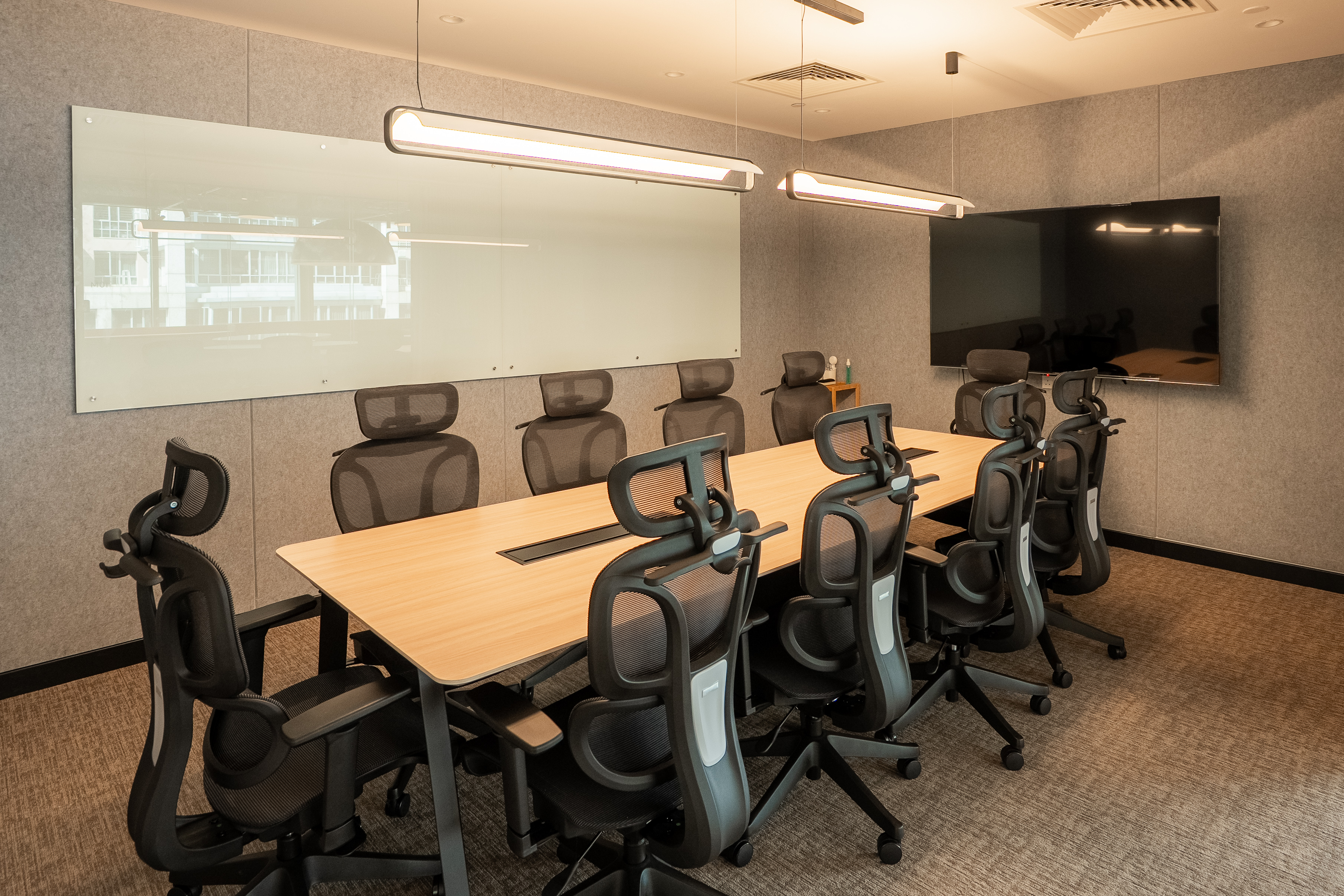
 1 - 10
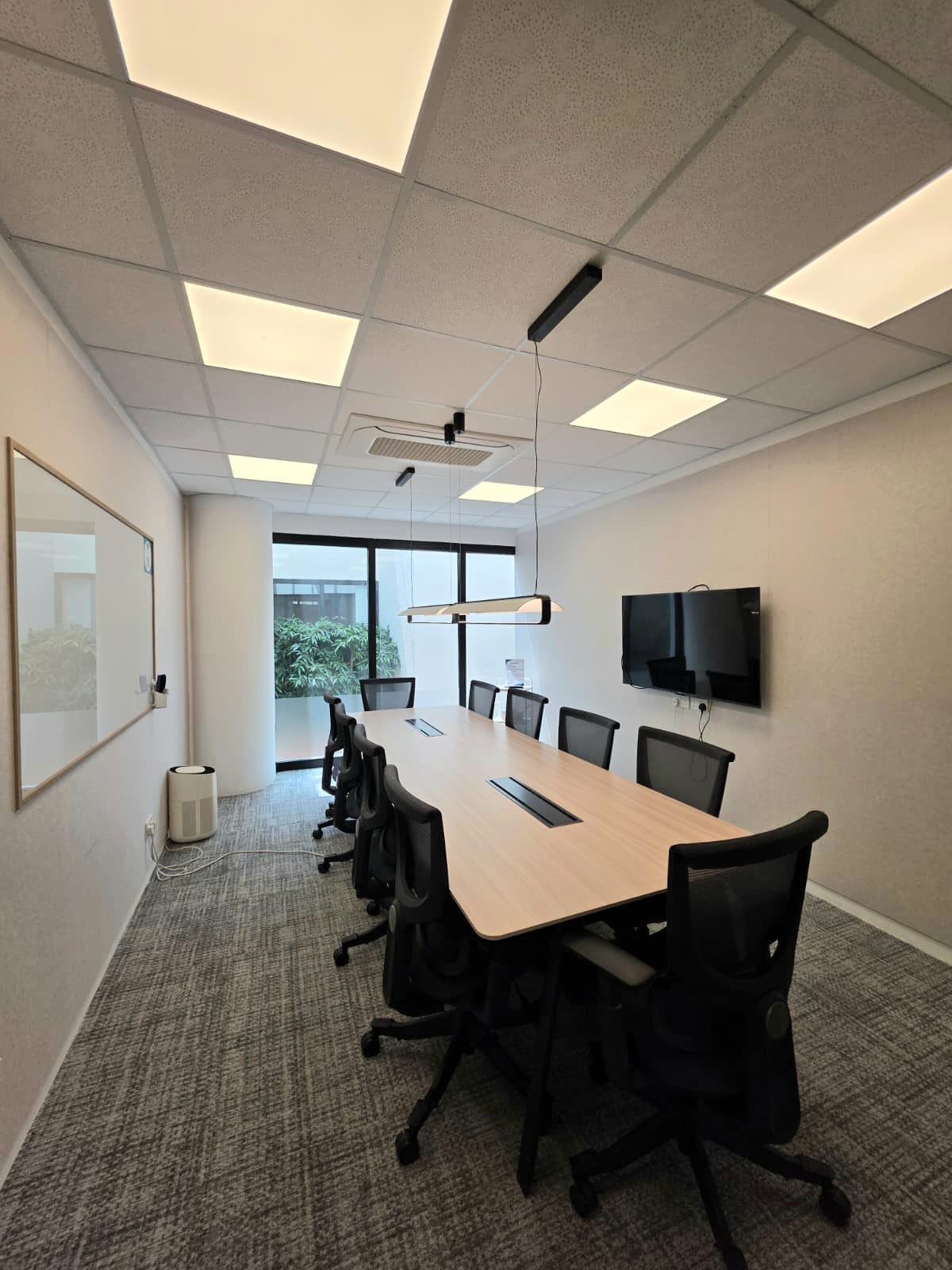 1 - 10
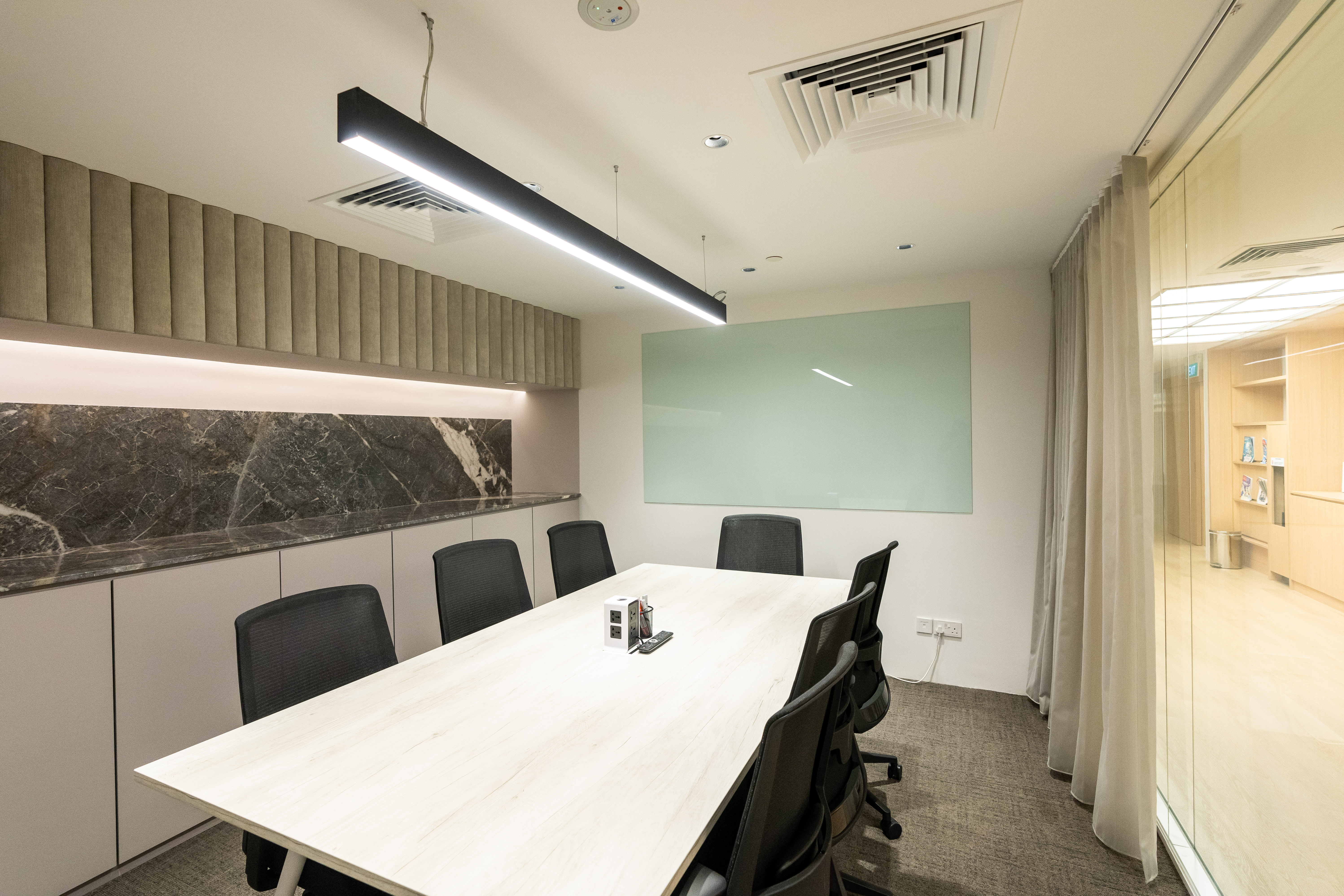 1 - 8
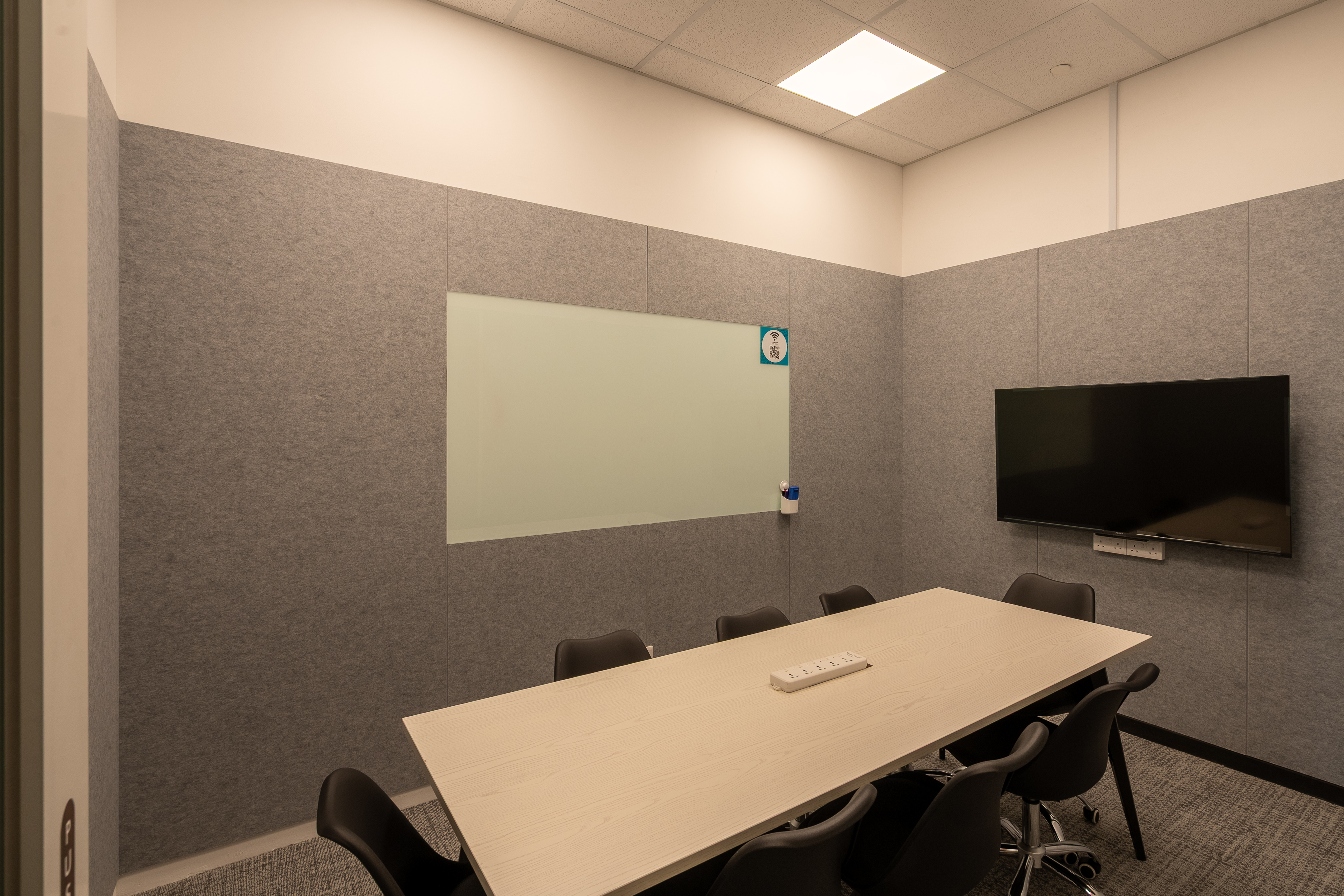 1 - 8
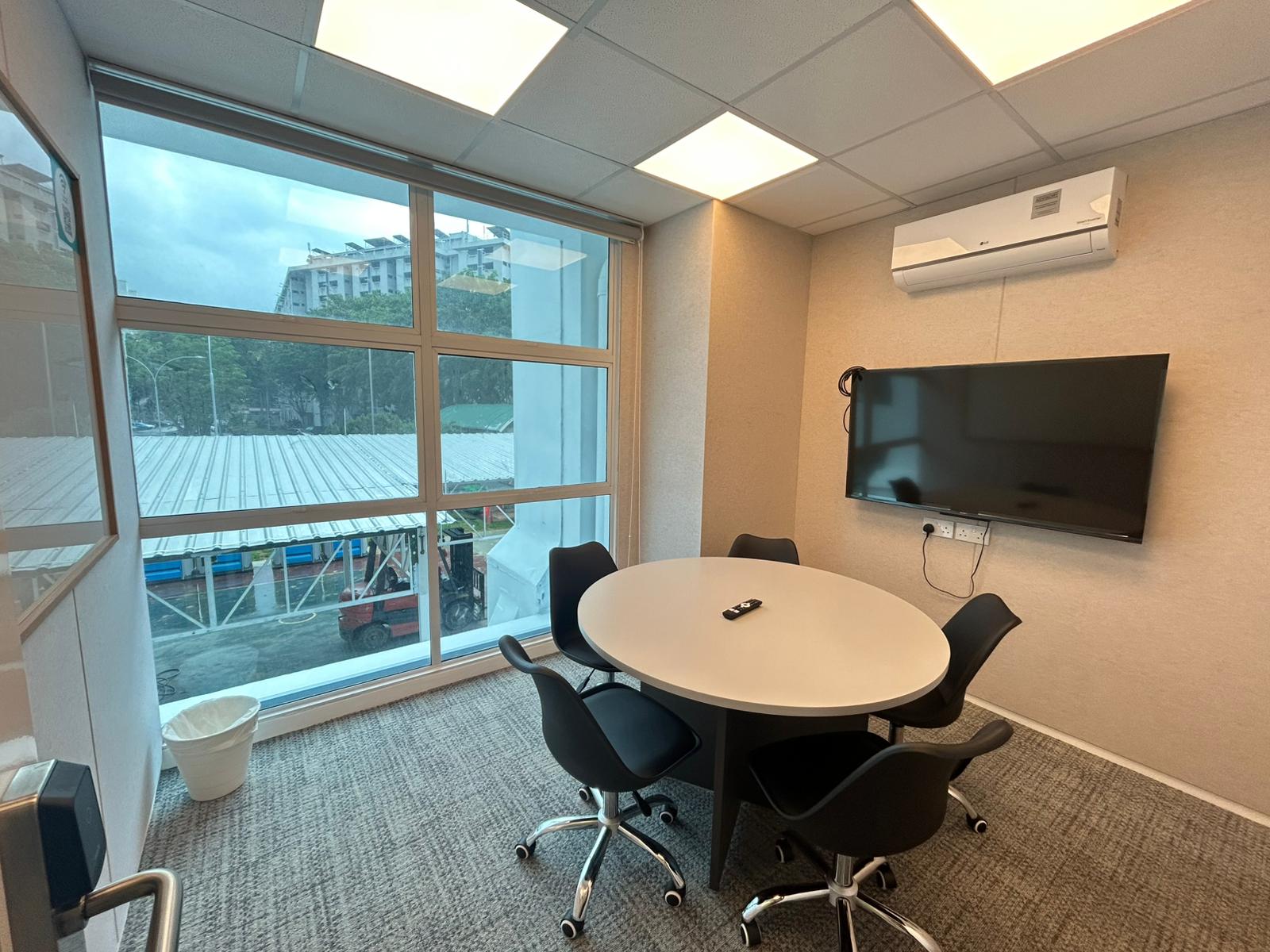 1 - 5
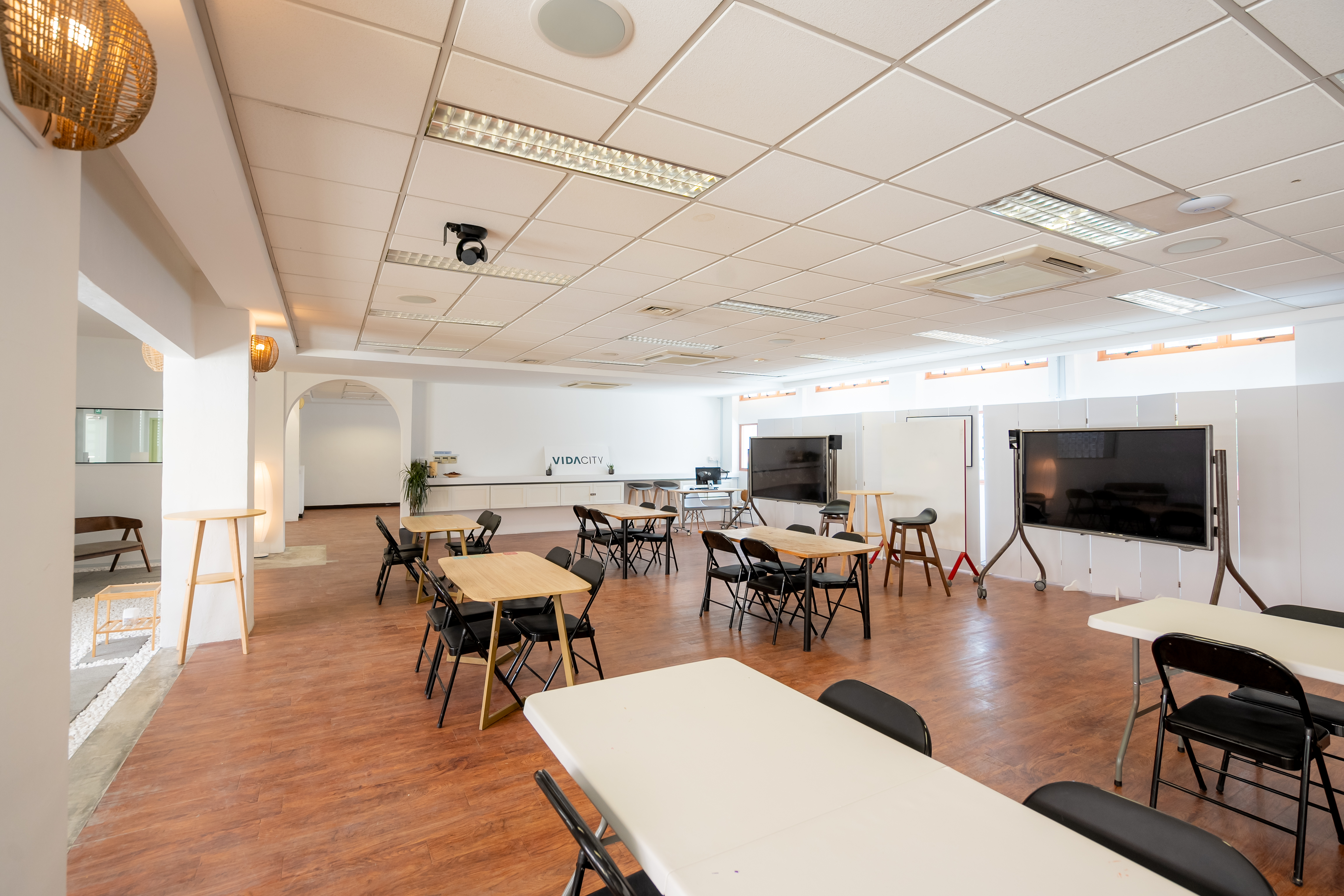 1 - 150
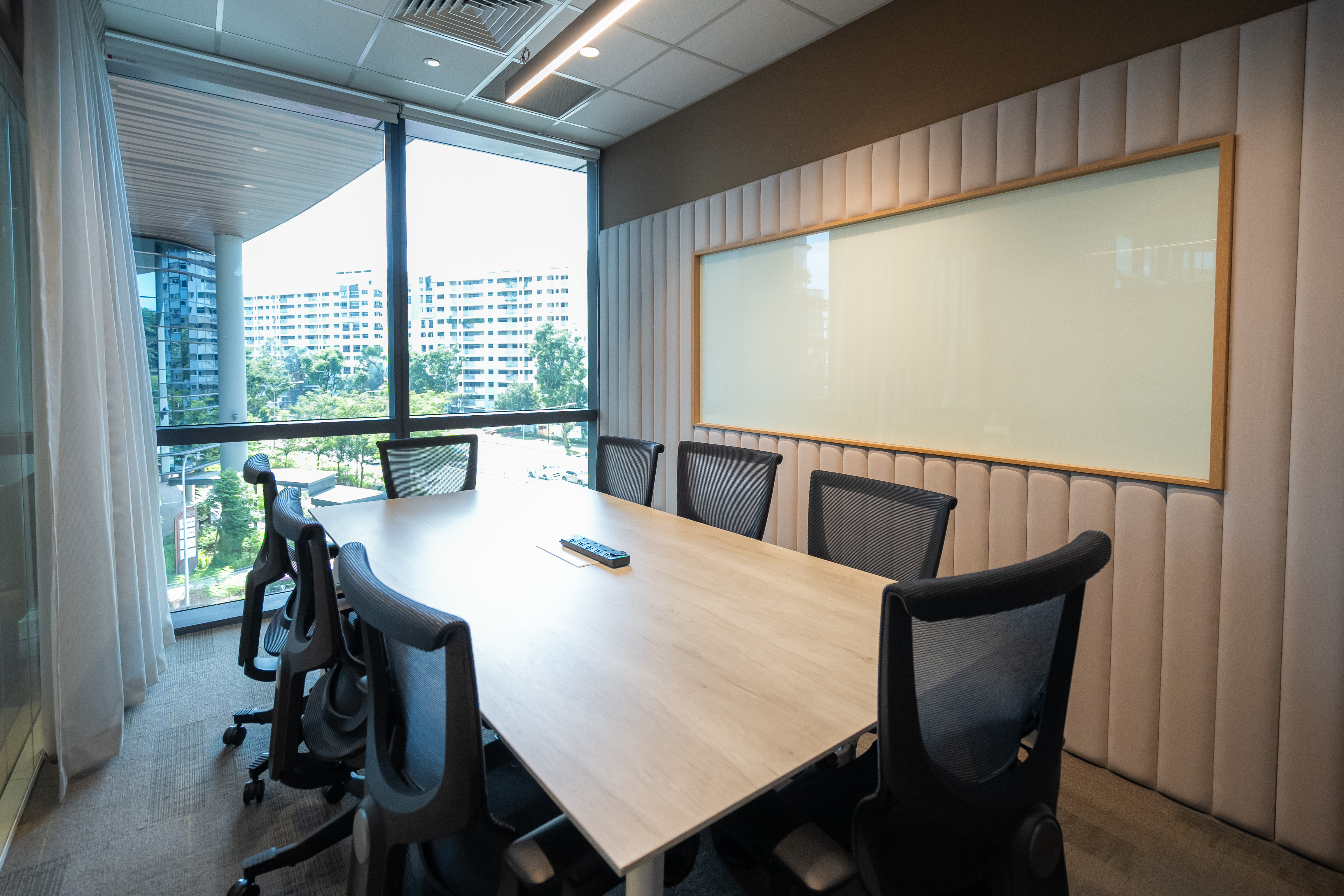 1 - 8
OVERVIEW
Comprehensive guide, key amenities, and venue insights for conference rooms in Singapore.
1. How much does it cost to rent a meeting room in Singapore?
Meeting rooms in Singapore typically run from around S$60 to S$300 per hour. Small rooms seating four to six sit at the lower end, while larger boardrooms with video conferencing and premium CBD addresses reach the upper end. Expect to pay more for same-day bookings and after-hours use. Many venues quote half-day and full-day rates that work out cheaper than hourly for sessions over four hours.
2. What size meeting rooms are available?
Rooms on We Are Spaces range from four-person huddle rooms to boardrooms seating around 20. Common sizes are 6, 8, 10, 14 and 16 pax — City Serviced Offices at Republic Plaza, for instance, lists rooms at 6, 8, 16 and 20 pax across two floors, and Guoco Midtown Network Hub runs rooms at 10 and 14. For groups beyond 20, a training room or function room is usually the better fit.
3. What’s included when you book a meeting room?
Standard inclusions are a screen or TV, Wi-Fi, a whiteboard and water. Most CBD venues add tea and coffee. Video conferencing equipment, additional screens, printing and parking are commonly charged separately. Serviced office operators may also include reception and visitor handling. Always confirm what the base hourly rate covers, as inclusions vary widely between coworking and serviced office operators.
4. Can I book a meeting room for just one hour?
Often yes, though many venues set a one or two-hour minimum. Coworking operators tend to be the most flexible for short bookings, while hotels and serviced offices more frequently work in half-day blocks. If you need a room for under an hour, say so in your enquiry — some operators will accommodate it, particularly off-peak.
5. Which areas of Singapore have the most meeting rooms?
The CBD by a wide margin — around two-thirds of the meeting rooms listed here sit in Raffles Place, Tanjong Pagar, Marina Bay and the surrounding blocks, inside serviced offices and coworking spaces. Central Singapore is next, followed by the east. If your attendees are travelling from across the island, the CBD is usually the fairest meeting point for transport.
6. What’s the difference between a meeting room and a boardroom?
In practice, a boardroom is a meeting room with a single large table, fixed seating around it and usually better finishes — designed for formal discussion rather than workshops. A meeting room may be more flexible, sometimes reconfigurable for cluster or classroom seating. If you’re running an interview panel, a board meeting or a client presentation, book a boardroom; if you need people moving around or working in groups, look for a meeting or training room.
7. Can I bring my own food into a meeting room?
It depends on the venue type. Coworking spaces are generally comfortable with delivered lunches and catering brought in. Serviced offices and hotel meeting rooms frequently require catering through their own provider, or charge a corkage-style fee for outside food. Raise it in your first enquiry — it’s one of the most common late surprises.
8. How far in advance should I book a meeting room?
One to two weeks is enough for most dates, and same-week bookings are often possible given the volume of supply. Book earlier for larger boardrooms, for Monday and Friday mornings, which are the busiest slots, and for anything in the October to December period when year-end meetings compete for the same rooms.
